BPC 157 and TB 500 Peptide Therapy for Weight Loss
Peptide therapy has become a major topic in wellness, recovery, and weight management. Among the most discussed compounds are BPC 157 and TB 500, two experimental peptides often promoted for tissue repair, inflammation support, recovery, and performance optimization.
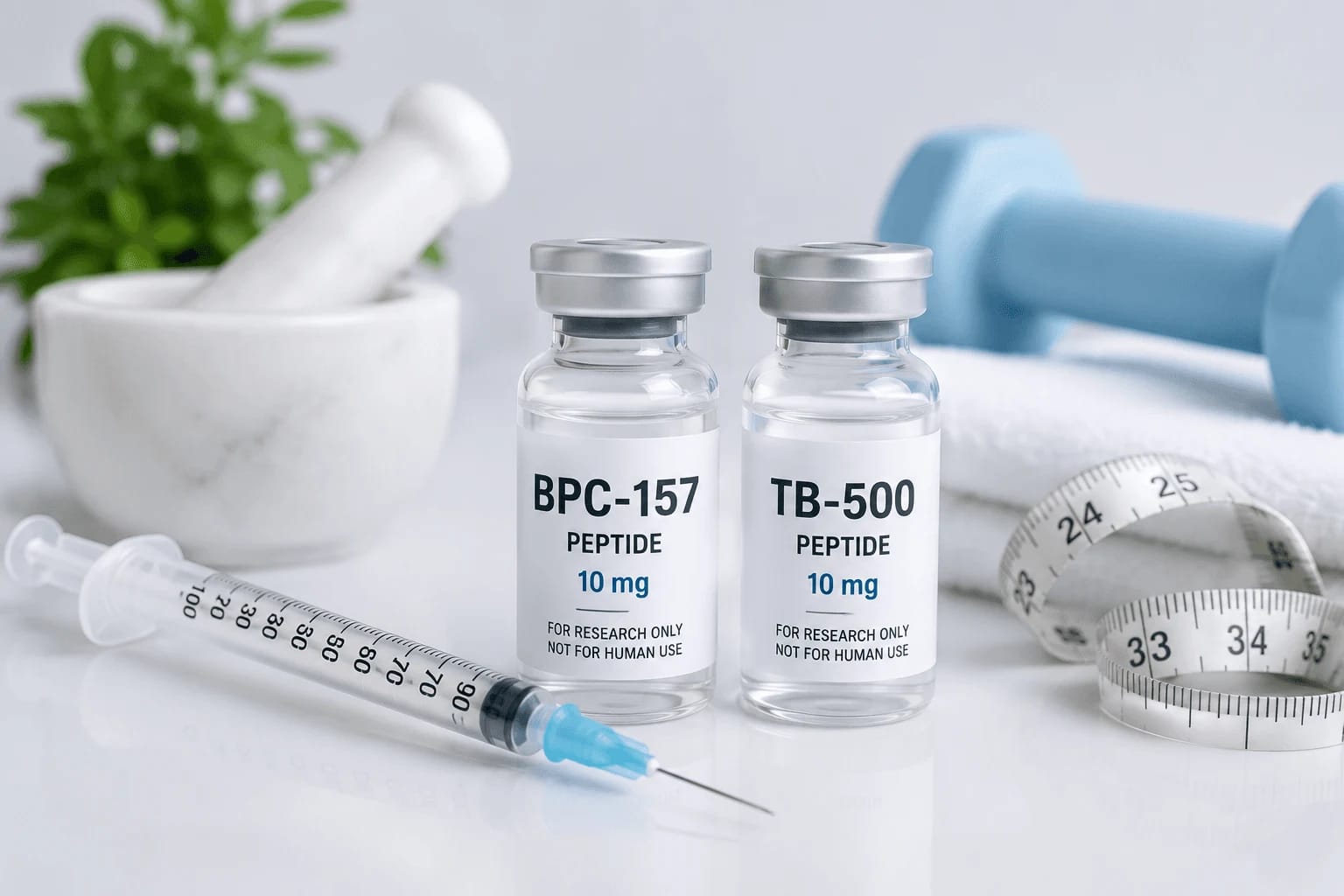
Peptide therapy has become a major topic in wellness, recovery, and weight management. Among the most discussed compounds are BPC 157 and TB 500, two experimental peptides often promoted for tissue repair, inflammation support, recovery, and performance optimization.
In recent years, some wellness clinics and online providers have connected these peptides with weight loss programs. However, it is important to understand that BPC 157 and TB 500 are not FDA-approved weight loss medications, and their use for fat loss remains experimental. Patients should approach these treatments with caution, medical supervision, and realistic expectations.
What Are BPC 157 and TB 500?
BPC 157 is a synthetic peptide derived from a protein sequence found in gastric juice. It is often discussed for its potential role in tissue repair, gut health, tendon recovery, and inflammation regulation. Most available research has been performed in animals or preclinical models, with limited high-quality human data.
TB 500 is a synthetic version related to thymosin beta-4, a peptide involved in cell migration, tissue repair, and wound healing processes. Like BPC 157, TB 500 is commonly marketed for recovery and regeneration, but strong human clinical evidence remains limited.
Why These Peptides Are Linked to Weight Loss
BPC 157 and TB 500 are not traditional fat-loss drugs. They do not work like GLP-1 medications, appetite suppressants, or metabolic therapies approved for obesity treatment. Their connection to weight loss is usually indirect and based on claims related to recovery, inflammation, mobility, and overall wellness.
Some providers suggest that improved recovery, reduced discomfort, and better physical function may help patients stay active during a weight loss program. In that sense, peptides may be discussed as supportive tools rather than direct weight loss treatments. That distinction matters, because pretending they melt fat directly would be medical nonsense wearing a lab coat.
Potential Benefits Discussed in Wellness Clinics
Wellness and regenerative medicine clinics may discuss BPC 157 and TB 500 for muscle recovery, soft tissue support, joint comfort, injury repair, and inflammation management. For people trying to lose weight, these benefits may be positioned as part of a broader plan that includes nutrition, exercise, hormone evaluation, and lifestyle changes.
Patients should understand that these potential benefits are still being studied. While early research and anecdotal reports may be interesting, they are not the same as large, well-controlled human clinical trials.
Are BPC 157 and TB 500 Approved for Weight Loss?
No. BPC 157 and TB 500 are not FDA-approved therapies for weight loss. They also do not have standardized dosing guidelines for obesity or body composition outcomes. This means patients may encounter inconsistent protocols, unclear product quality, and exaggerated marketing claims.
The FDA has raised concerns about certain bulk drug substances used in compounding, including BPC 157, due to potential safety risks and limited information. Patients should be careful with products sold online, especially those labeled for research use or offered without proper medical evaluation.
Safety Considerations
Because BPC 157 and TB 500 are not approved weight loss medications, their long-term safety profile in humans is not well established. Possible risks may include immune reactions, contamination from poorly regulated products, incorrect dosing, injection site reactions, and unknown interactions with medications or existing medical conditions.
Patients should avoid self-injecting peptides purchased from unverified sources. A treatment that arrives in a mystery vial from the internet is not innovation. It is gambling with syringes, which somehow became a business model.
Peptide Therapy as Part of a Weight Loss Plan
If peptide therapy is considered, it should be part of a medically supervised program rather than a stand-alone shortcut. A responsible weight loss plan should include body composition analysis, nutrition guidance, physical activity planning, metabolic testing, sleep evaluation, and a review of hormones, medications, and health history.
For eligible patients, FDA-approved weight loss medications may be more appropriate than experimental peptides. A qualified healthcare provider can help determine whether peptide therapy, prescription medication, lifestyle intervention, or another approach is safer and more effective.
Questions to Ask Before Treatment
Before starting BPC 157 or TB 500, patients should ask whether the peptide is legally compounded, where it is sourced, whether third-party testing is available, what dose is recommended, how it is administered, and what risks are known.
Patients should also ask whether the treatment is being presented as experimental, whether there is evidence for weight loss outcomes, what follow-up care is included, and what symptoms should be reported immediately.
Who Should Be Especially Cautious?
People with cancer history, autoimmune conditions, pregnancy, breastfeeding, immune disorders, uncontrolled chronic disease, or multiple medications should be especially cautious with experimental peptide therapy. Athletes should also check anti-doping rules, since some unapproved substances may be prohibited in competitive sports.
Anyone considering peptide therapy should speak with a licensed medical provider before beginning treatment. The goal should be safety first, not chasing a trend because a podcast host with perfect lighting said it changed their life.
A Realistic View of BPC 157 and TB 500 for Weight Loss
BPC 157 and TB 500 are widely discussed in wellness and regenerative medicine, but their role in weight loss remains unproven. They may be marketed as recovery-supportive peptides, yet they should not be treated as approved or guaranteed fat-loss solutions.
The most responsible approach is to view peptide therapy as an experimental option that requires medical supervision, transparent sourcing, realistic expectations, and careful risk assessment. For patients focused on weight loss, proven strategies and approved treatments should remain the foundation of care.
Need more information?
Get in touch with us to resolve your doubts, explore treatment options, and receive personalized guidance.
Get free quote