Dr. Donato Pérez García
Baja California, Mexico

Overview:
Location:
Speciality:
Profile
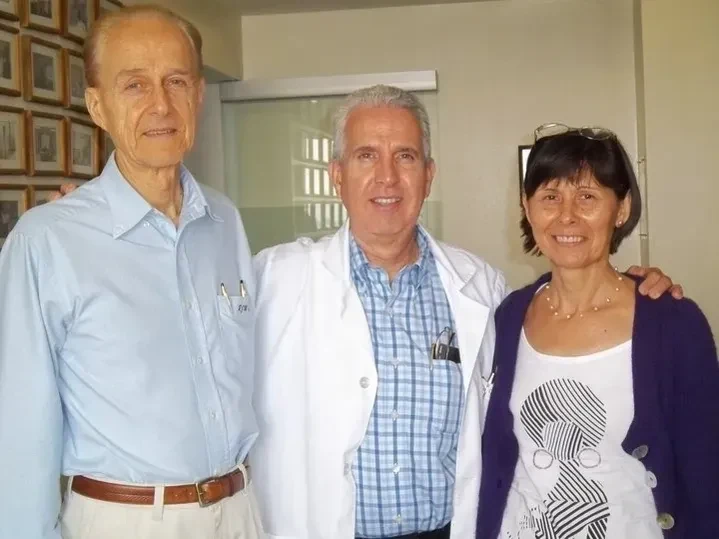
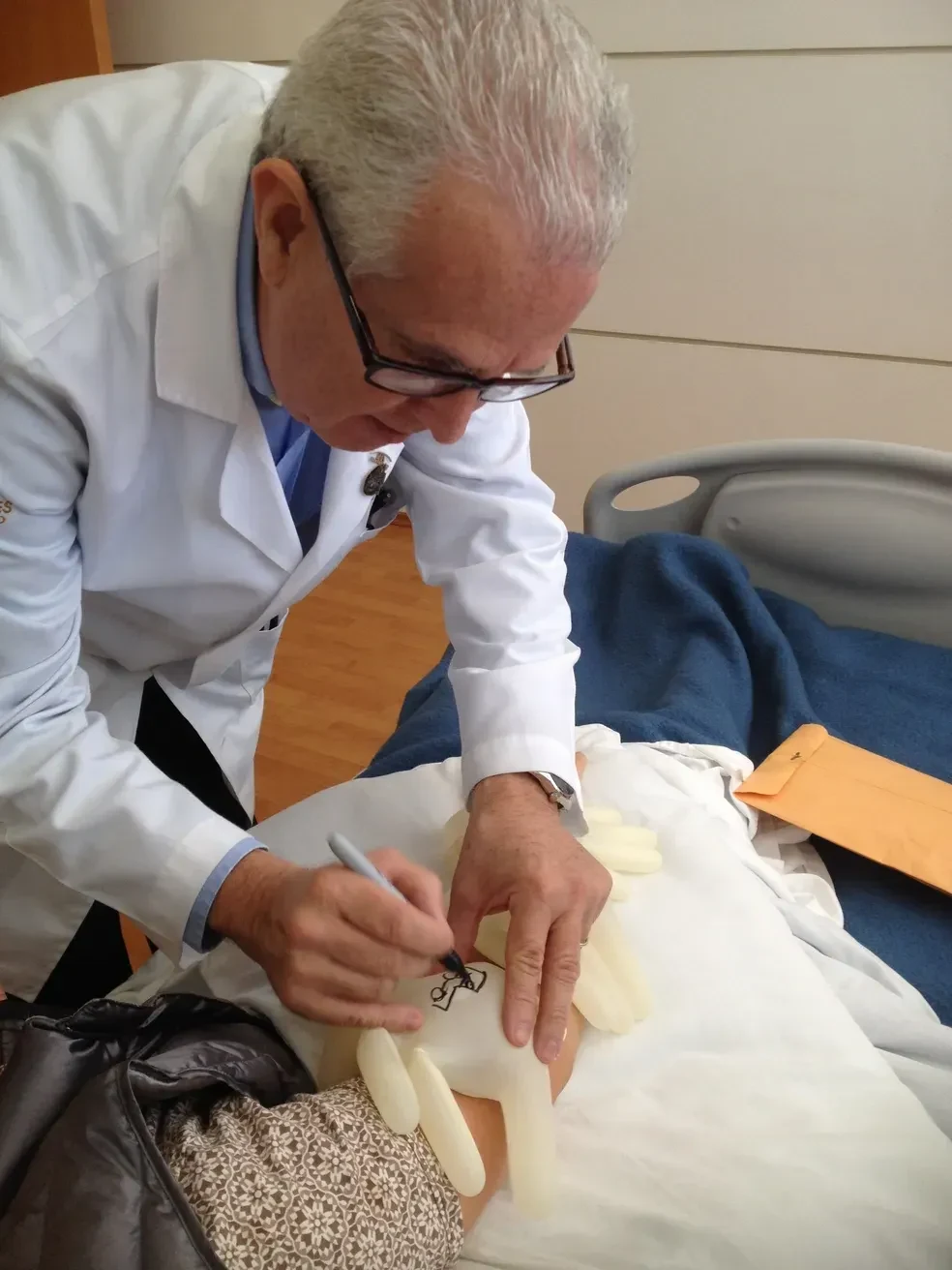
A medical center led by Dr. Donato Pérez García, a third-generation physician focused on integrative, functional, and regenerative medicine, with particular attention to Insulin Potentiation Therapy, known as IPT or IPTLD.
The clinic presents its work as the continuation of a family tradition that began in 1930. Its approach combines personalized medical care, metabolic therapies, biological medicine, immune support, and complementary strategies for patients with chronic and degenerative diseases, as well as complex cancer cases.
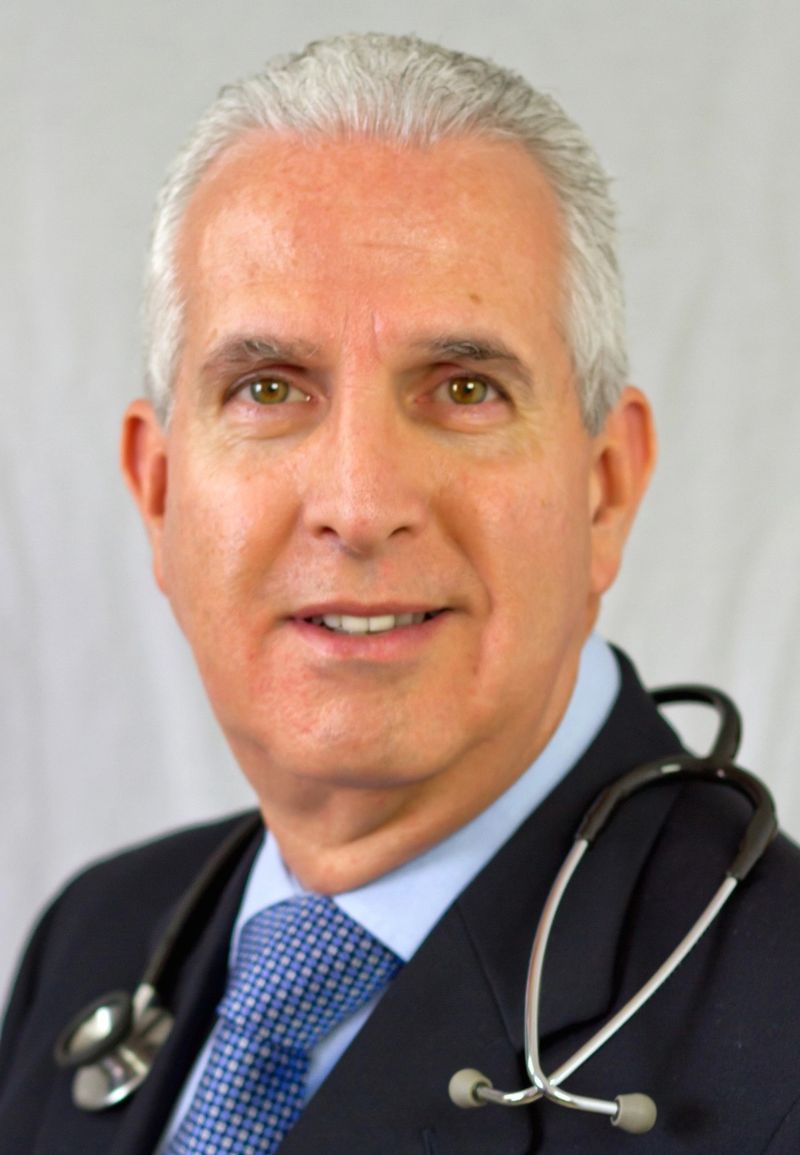
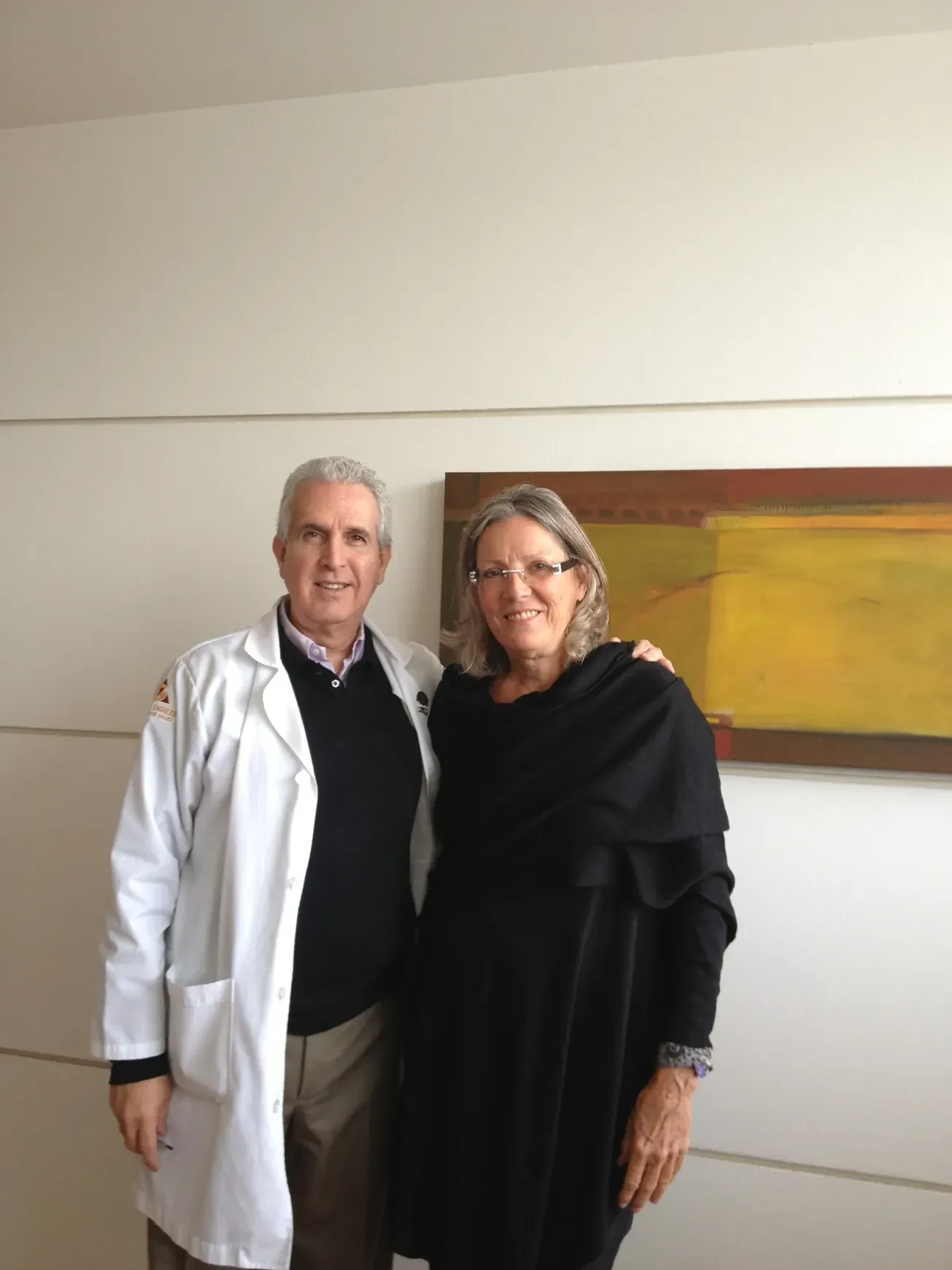
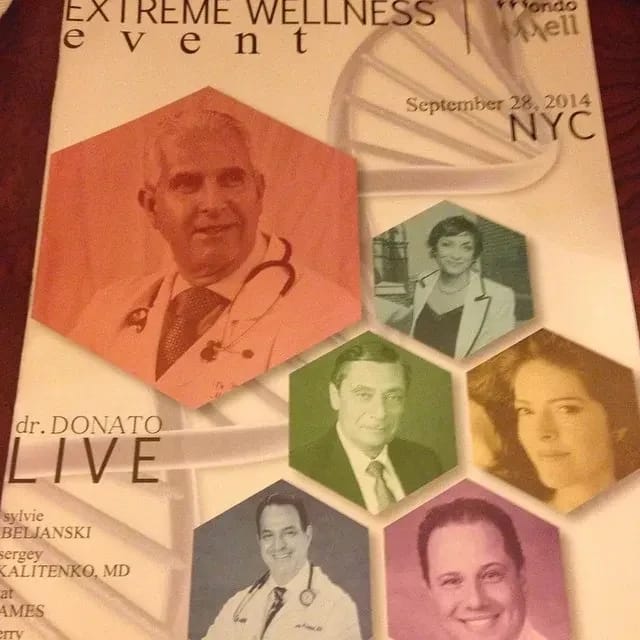
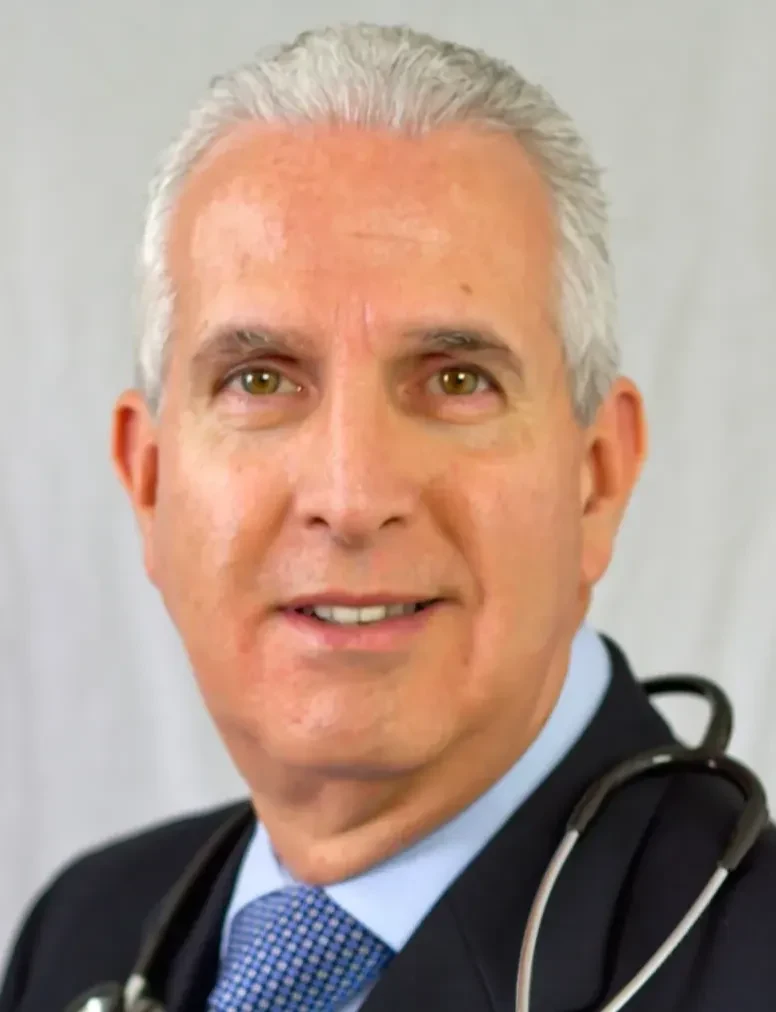
Dr. Donato Pérez García, surgeon and medical director of the clinic.
A Three-Generation Medical Tradition
The history of the Doctores Donato Pérez García Clinic dates back to 1930. Dr. Donato Pérez García continues the work initiated by his grandfather and later developed by his family, maintaining a model of care focused on metabolic therapies, complementary medicine, and procedures aimed at improving patients’ quality of life.
According to information published by the clinic itself, Dr. Pérez García has more than 43 years of clinical experience and has participated in more than 80,400 treatments since 1983. The clinic also highlights more than 33 years of experience in immunotherapy and cellular therapies.
What Is Insulin Potentiation Therapy?
IPT/IPTLD is presented by the clinic as a procedure used within functional and bioregenerative medicine. It uses fast-acting insulin as a biological response modifier, with the aim of temporarily increasing cell membrane permeability and facilitating the entry of certain medications into the cells.
The clinical approach is based on the idea that many pathological processes are expressed at the cellular level. From this perspective, the treatment seeks to address physical and chemical imbalances within the cell and support the proper function of its components.
The clinic describes IPT as a targeted drug-delivery strategy that may use lower doses of certain medications, with the intention of maintaining therapeutic effectiveness while reducing side effects. Its specific application depends on the patient’s condition, medical history, and the assessment of the medical team.
Objectives Described by the Clinic
- Support controlled cell permeability.
- Improve targeted medication delivery.
- Work with personalized protocols.
- Seek a lower burden of side effects.
- Integrate treatment with metabolic, nutritional, and immune support.
Areas of Care and Experience
| Area | Clinic Approach |
|---|---|
| Integrative medicine | A combination of medical evaluation, biological therapies, nutritional support, intravenous procedures, and complementary strategies adapted to each patient. |
| Oncology support | Use of IPT/IPTLD as a complementary metabolic approach for solid tumors, including breast, prostate, lung, and colon cancer. |
| Chronic diseases | Protocols aimed at respiratory and gastrointestinal conditions, chronic infections, rheumatoid arthritis, lupus, and osteoporosis. |
| Regenerative medicine | Cellular and biological procedures aimed at immune support, tissue repair, and functional recovery. |
| Complex cases | Care for patients seeking a second opinion or complementary alternatives, including advanced cases that require multidisciplinary follow-up. |
Immunotherapy and Cellular Therapies
The clinic highlights its experience with immunological and cellular procedures used as part of personalized programs for patients with cancer and other complex conditions.
- Dendritic cell therapy.
- LAK-NK cells.
- Exosomes.
- NK cell vaccine.
- Treg vaccine.
- CAR-T-related procedures.
Patient-Centered Care
The clinic’s model of care prioritizes individual assessment, close physician involvement, continuous follow-up, and adaptation of the treatment plan to each patient’s needs and preferences.
- Detailed review of the patient’s medical history.
- Personalized care plans.
- Monitoring of the patient’s progress.
- Coordination with different medical specialties.
- A care environment based on dignity, respect, and support.
Multidisciplinary Team and International Collaboration
The clinic states that it works with consultants and specialists experienced in oncology, nephrology, and cardiology. It also mentions collaboration with international professionals from the United States, Germany, Japan, Brazil, and Malaysia.
This structure is intended to bring together different medical perspectives when a case requires a broader evaluation. The stated goal is to design programs that focus not only on the disease itself, but also on each patient’s metabolic, immune, and functional condition.
Clinical Philosophy: First, Do No Harm
The clinic’s philosophy is based on the medical principle “Primum non nocere,” meaning “first, do no harm.” From this perspective, treatments should seek a balance between therapeutic benefit, safety, tolerability, and quality of life.
Quality of Life
Priority is given to the patient’s overall well-being, energy, functionality, and comfort.
Personal Care
Close medical involvement and decisions adapted to each patient’s medical history.
Clinical Innovation
Use of metabolic, cellular, and biological techniques within supervised protocols.
Dignified Treatment
A respectful and compassionate environment throughout the care process.
Care for International Patients
The clinic is located in Tijuana’s medical district and receives patients from different countries. For those who are not yet able to attend in person, it offers initial Zoom consultations lasting approximately 30 minutes.
Before the consultation, patients may submit their medical studies, reports, and clinical history for a personalized review. This process allows them to receive a preliminary medical opinion and determine whether their case may be evaluated within the available programs.
Education and Professional Leadership
Dr. Donato Pérez García is a medical doctor and surgeon who graduated from Universidad Anáhuac Norte in Mexico. He serves as co-founder and medical director of the clinic.
The clinic’s website also states that he is Director of the Education Board of the Academy for IPT and a member of the Scientific Advisory Board of the Male Breast Cancer Global Alliance.
Important Medical Information
The information above exclusively summarizes the presentation and claims published by the Doctores Donato Pérez García Clinic on its official website. It does not constitute an independent assessment of effectiveness, safety, or medical suitability.
No therapy should be started, discontinued, or modified without evaluation by a qualified healthcare professional. Every patient requires a diagnosis, review of medical history, explanation of risks, benefits, alternatives, and informed consent.
Treatment
The Dr. Donato Pérez García Clinic presents a range of integrative, functional, regenerative, metabolic, and immune-support treatments for patients with chronic, degenerative, and complex medical conditions. Its therapeutic model is centered on individualized medical assessment, multidisciplinary review, and the adaptation of each program to the patient’s diagnosis, medical history, general condition, previous treatments, and personal needs.
The treatments described below are based exclusively on the information published by the clinic. Their inclusion does not mean that every procedure is suitable for every patient. A medical evaluation is required before any therapy can be recommended or included in a treatment plan.
Insulin Potentiation Therapy (IPT/IPTLD)
Insulin Potentiation Therapy, also referred to as IPT or IPTLD, is one of the main procedures presented by the clinic. It is described as a specialized metabolic and bioregenerative treatment used within functional medicine.
The procedure uses fast-acting insulin as a biological response modifier. According to the clinic’s explanation, insulin is administered in a controlled clinical setting to temporarily increase the permeability of cell membranes. This process is intended to facilitate the movement of certain medications from the extracellular environment into the interior of the cells.
The therapeutic rationale described by the clinic is based on the idea that many diseases involve physical and chemical imbalances at the cellular level. When cellular structures and organelles are unable to perform their normal functions, symptoms and disease processes may develop. IPT is therefore presented as a method intended to support more targeted delivery of medications and promote correction of cellular dysfunction.
Objectives of IPT/IPTLD
- Temporarily increase cell membrane permeability under medical supervision.
- Facilitate the targeted entry of selected medications into cells.
- Support the use of lower medication doses in certain protocols.
- Seek to maintain therapeutic effectiveness while reducing the burden of side effects.
- Address disease processes from a metabolic and cellular perspective.
- Integrate medication delivery with nutritional, biological, and immune-support measures.
Conditions for Which the Clinic Describes IPT
The clinic states that IPT may be incorporated into individualized programs for chronic, degenerative, inflammatory, infectious, and oncological conditions. The published information specifically mentions:
- Breast cancer.
- Prostate cancer.
- Lung cancer.
- Colon cancer.
- Rheumatoid arthritis.
- Lupus.
- Osteoporosis.
- Chronic respiratory conditions.
- Chronic gastrointestinal conditions.
- Chronic infections.
The clinic presents IPT as an adjunctive or complementary approach. Its use, medication selection, frequency, duration, and relationship with conventional treatment must be determined individually by the medical team.
Integrative Cancer Support
The clinic describes an integrative oncology support program for patients with solid tumors and complex cancer cases. The purpose of this approach is not limited to targeting the tumor itself. It also considers the patient’s metabolic condition, immune response, nutritional status, tolerance to previous therapies, symptoms, and quality of life.
IPT/IPTLD may be included as a metabolic adjunctive treatment in these programs. According to the clinic, the intended goal is to improve targeted medication delivery while working to minimize treatment-related toxicity and side effects.
Elements That May Form Part of Integrative Cancer Care
- Individual review of the cancer diagnosis and clinical stage.
- Assessment of pathology reports, imaging studies, laboratory results, and previous treatments.
- Evaluation of the patient’s general condition and functional capacity.
- Metabolic support through IPT/IPTLD when considered medically appropriate.
- Immune-support procedures.
- Biological and cellular therapies.
- Intravenous therapies.
- Nutritional support programs.
- Monitoring of symptoms, tolerance, and treatment progress.
- Collaboration with specialists in oncology and other medical disciplines.
The clinic specifically mentions support for solid tumors involving the breast, prostate, lungs, and colon. It also states that it receives patients with advanced-stage or difficult-to-manage cases who are seeking a second opinion or complementary treatment options.
Dendritic Cell Therapy
Dendritic cell therapy is listed by the clinic as one of its cellular immunotherapy procedures. Dendritic cells are involved in the immune system’s ability to recognize and present antigens to other immune cells.
Within the clinic’s treatment model, this therapy is presented as a way to support the immune system’s recognition and response mechanisms. It may be considered as part of a personalized cancer-support program after review of the patient’s condition, previous therapies, laboratory findings, and treatment goals.
The clinic does not present dendritic cell therapy as a single universal protocol. Its inclusion depends on medical evaluation and may be combined with metabolic, nutritional, biological, or other immune-support treatments.
LAK-NK Cell Therapy
LAK-NK cell therapy is another immunotherapy approach identified by the clinic. LAK refers to lymphokine-activated killer cells, while NK refers to natural killer cells, which are components of the immune system involved in identifying and responding to abnormal cells.
The clinic presents this treatment as part of its experience in advanced cellular immunotherapy. The intended role is to support the patient’s immune response within a broader and individualized treatment plan.
Clinical Considerations
- Review of the patient’s diagnosis and current health condition.
- Assessment of immune status and relevant laboratory findings.
- Consideration of previous and ongoing cancer treatments.
- Evaluation of potential compatibility with other therapies.
- Continuous medical monitoring during the treatment process.
Natural Killer Cell Vaccine
The clinic lists an NK cell vaccine among its immune-based treatment options. Natural killer cells form part of the body’s innate immune defense and participate in the recognition of infected or abnormal cells.
Within the clinic’s integrative model, this procedure is intended to support immune activity as part of a personalized program. It may be considered alongside IPT/IPTLD, nutritional measures, intravenous therapies, and other biological procedures.
The suitability of this treatment must be determined through individual medical assessment. The clinic’s published information does not describe it as an automatic option for every patient or every type of cancer.
Treg Vaccine
The clinic also mentions a Treg vaccine, referring to a procedure associated with regulatory T cells. Regulatory T cells participate in the modulation and control of immune responses.
This procedure is presented within the clinic’s broader experience in immunotherapy and cellular medicine. Its role would depend on the patient’s condition, immune profile, diagnosis, and the therapeutic objectives established by the medical team.
Because immune regulation is complex, the clinic’s model emphasizes personalized assessment and clinical monitoring rather than applying the same protocol to all patients.
CAR-T-Related Procedures
CAR-T-related procedures are included among the cellular immunotherapy techniques referenced by the clinic. CAR-T therapy is associated with the modification or preparation of immune cells so that they can recognize specific targets.
The clinic presents its work in this area as part of its focus on advanced cellular immunotherapy and cancer-support innovation. The published page does not provide a complete technical protocol, eligibility criteria, manufacturing process, or indication list.
For this reason, any patient interested in CAR-T-related treatment would require a detailed case review to determine what type of procedure is being proposed, whether it is appropriate, and how it relates to other available medical options.
Exosome Therapy
Exosomes are listed by the clinic among its regenerative and cellular treatment options. Exosomes are small extracellular structures involved in communication between cells.
The clinic associates exosome-based procedures with regenerative medicine, immune support, and tissue-repair strategies. Their intended role is presented as supportive rather than as a standardized treatment for every condition.
Potential Areas of Use Within the Clinic’s Model
- Support of cellular communication.
- Regenerative medicine programs.
- Tissue-repair support.
- Immune-system support.
- Combination with other biological or metabolic therapies.
The specific source, preparation, administration method, number of sessions, and clinical goals must be explained to the patient during the medical evaluation.
Biological Medicine
Biological medicine is described as part of the clinic’s approach to chronic, degenerative, inflammatory, and immune-related conditions. It may be used alongside IPT/IPTLD, intravenous therapies, nutritional programs, and cellular procedures.
The objective of this approach is to consider the patient as a whole rather than focusing exclusively on a single symptom or diagnosis. Treatment planning may therefore include evaluation of immune function, inflammation, metabolism, nutrition, organ function, and recovery capacity.
Conditions Mentioned by the Clinic
- Rheumatoid arthritis.
- Lupus.
- Chronic infections.
- Respiratory diseases.
- Gastrointestinal diseases.
- Osteoporosis.
- Other chronic and degenerative conditions requiring individualized assessment.
Intravenous Therapies
Intravenous therapies are mentioned as part of the clinic’s comprehensive protocols for chronic conditions and integrative cancer support. These treatments allow selected substances to be administered directly into the bloodstream under medical supervision.
The clinic’s public information does not provide a fixed list of intravenous formulas. The composition, purpose, dosage, and number of sessions must therefore be established according to the patient’s diagnosis, laboratory results, nutritional condition, tolerance, and overall treatment plan.
Possible Therapeutic Purposes Within an Integrative Program
- Nutritional support.
- Metabolic support.
- Hydration and recovery support.
- Immune-system support.
- Complementary support during complex treatment programs.
Nutritional Programs
Nutritional support is described as one component of the clinic’s programs for chronic and degenerative conditions. It may also accompany metabolic and cancer-support therapies.
The nutritional plan is intended to be individualized according to the patient’s diagnosis, appetite, digestive tolerance, body composition, metabolic needs, laboratory findings, and treatment objectives.
Areas That May Be Considered
- General nutritional status.
- Ability to maintain weight and muscle mass.
- Digestive tolerance.
- Metabolic balance.
- Recovery needs.
- Compatibility with medications and other therapies.
Management of Chronic and Degenerative Conditions
The clinic presents comprehensive programs for patients with chronic and degenerative diseases. These programs may combine biological medicine, IPT/IPTLD, intravenous therapies, nutritional support, immune-support treatments, and continuous clinical monitoring.
The purpose is to evaluate not only the diagnosis but also the factors that may influence the patient’s symptoms, function, energy, inflammation, immune response, and quality of life.
| Condition or Area | Approach Described by the Clinic |
|---|---|
| Rheumatoid arthritis | Integrative support combining biological medicine, metabolic assessment, and individualized therapies. |
| Lupus | Personalized management focused on immune balance, symptoms, general health, and treatment tolerance. |
| Chronic infections | Evaluation of persistent symptoms and use of biological, nutritional, metabolic, or intravenous support when appropriate. |
| Respiratory conditions | Functional and metabolic evaluation combined with individualized supportive treatment. |
| Gastrointestinal conditions | Assessment of symptoms, nutritional status, metabolism, and possible supportive therapies. |
| Osteoporosis | Integrative support directed toward cellular function, nutrition, metabolism, and general health. |
Regenerative and Tissue-Repair Support
Regenerative medicine is one of the principal areas identified by the clinic. Its programs may include cellular therapies, exosomes, biological procedures, nutritional support, and other techniques intended to support tissue repair and functional recovery.
The selection of a regenerative procedure depends on the tissue involved, the patient’s diagnosis, age, general condition, previous treatments, and realistic therapeutic goals.
The clinic emphasizes that treatment should remain centered on safety, quality of life, and personalized medical supervision.
Supportive Care for Complex and Advanced Cases
The clinic states that it evaluates patients with complex conditions, including advanced-stage cases and patients seeking a second medical opinion. The approach is designed to provide supportive care while considering the patient’s symptoms, immune condition, metabolic state, treatment history, and personal preferences.
Possible Components of Supportive Care
- Review of the complete clinical record.
- Assessment of current symptoms and quality of life.
- Evaluation of previous treatment response and side effects.
- Metabolic and nutritional support.
- Immune-support procedures.
- Coordination with oncology, nephrology, cardiology, or other specialties.
- Monitoring of clinical progress and treatment tolerance.
- Discussion of realistic goals, limitations, risks, and alternatives.
How a Treatment Program Is Defined
The clinic presents its treatments as personalized programs rather than fixed packages. Before recommending a procedure, the medical team may review the patient’s diagnosis, pathology, imaging, laboratory studies, previous therapies, medications, allergies, organ function, symptoms, and general condition.
International patients may submit their clinical records and request an initial remote consultation. This preliminary review is intended to determine whether the case can be evaluated and which questions should be addressed before traveling or beginning treatment.
Typical Areas of Review
- Confirmed diagnosis.
- Current stage or severity of the condition.
- Previous and ongoing treatments.
- Current medications and supplements.
- Laboratory and imaging results.
- Cardiac, kidney, liver, and immune function.
- Nutritional and functional status.
- Potential risks and contraindications.
- Expected objectives and limitations of treatment.
Important Medical Information
The descriptions on this page summarize the treatments and therapeutic approaches presented by the Dr. Donato Pérez García Clinic on its official website. They do not constitute an independent evaluation of clinical effectiveness, regulatory status, safety, or suitability for a particular patient.
Some of the treatments described are complementary, integrative, regenerative, or cellular procedures that may not be considered standard care for every disease or in every country. Their risks, potential benefits, alternatives, costs, evidence, and relationship with conventional medical treatment should be reviewed carefully with qualified healthcare professionals.
No patient should discontinue, delay, replace, or modify a prescribed treatment without consulting the physician responsible for their care. Every procedure requires an individual medical assessment, explanation of risks and alternatives, and informed consent.
Our Experts
Dr. Donato Perez
Request more information