Navacenter – Bethesda
Bethesda, Maryland, United States


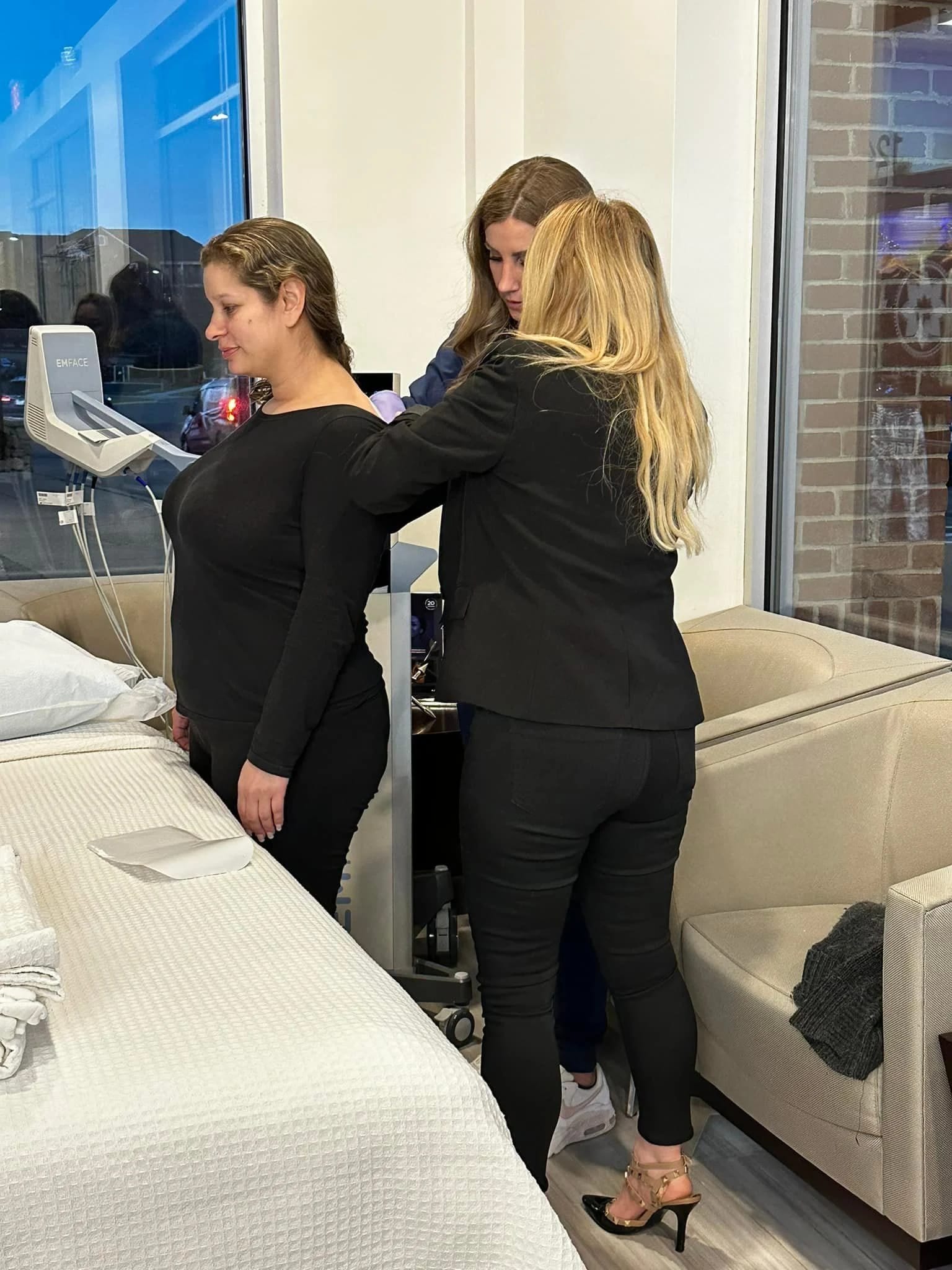

Overview:
Location:
Speciality:
Profile
About Navacenter Bethesda
Navacenter Bethesda is a regenerative medicine clinic based in Bethesda, Maryland, focused on stem cell–based and biologically driven therapies aimed at supporting musculoskeletal health and functional recovery. The clinic operates within the U.S. healthcare framework, emphasizing patient safety, clinical evaluation, and responsible application of regenerative approaches.
- Location: Bethesda, Maryland, United States
- Primary focus: Regenerative medicine programs using stem cell–based approaches
- Clinical philosophy: Evidence-informed care, careful patient selection, realistic expectations, and long-term follow-up
- Patient process: Medical evaluation, eligibility screening, personalized treatment planning, and outpatient-based procedures
- Data-driven approach: Uses medical history and clinical context to guide protocol selection and monitoring
- Safety emphasis: Prioritizes screening, informed consent, and transparency about benefits and limitations
- Standards: Operates under U.S. medical and ethical guidelines and compliance expectations
Clinical Focus and Areas of Care
The clinic’s regenerative programs are oriented toward orthopedic and musculoskeletal conditions that affect mobility, joint function, and soft tissue health. Treatments are positioned as supportive options within a broader care strategy, not as guaranteed cures.
- Degenerative joint conditions (e.g., osteoarthritis)
- Chronic musculoskeletal and joint-related pain
- Orthopedic issues affecting knee, hip, shoulder, and surrounding structures
- Soft tissue concerns including tendons and connective tissue injuries
- Inflammatory joint conditions that may impact function and mobility
- Autoimmune-related inflammatory disorders with musculoskeletal involvement
- Post-injury recovery support and post-surgical rehabilitation support
How the Clinic Works
Navacenter Bethesda typically begins with an in-depth assessment to determine whether regenerative therapies are appropriate for the patient’s condition. The goal is to match the treatment plan to the individual’s clinical profile while maintaining a strong safety-first posture and ongoing follow-up.
- Initial assessment: Review of symptoms, functional goals, and relevant medical history
- Eligibility screening: Determines suitability and identifies contraindications or risk factors
- Personalized planning: Tailors protocol selection to condition type, severity, and patient context
- Outpatient procedures: Designed for non-hospital settings with structured patient guidance
- Follow-up care: Monitors progress, supports recovery, and adjusts care recommendations as needed
- Patient communication: Clear explanation of expected outcomes, timelines, and limitations
Treatment
Navacenter Bethesda provides regenerative medicine treatments using stem cell–based approaches as part of a patient-specific care plan. Care typically starts with a clinical evaluation and eligibility screening, then moves into a tailored protocol with follow-up to monitor progress and recovery. Treatments are positioned as supportive options for musculoskeletal and orthopedic conditions, with a safety-first approach and realistic expectations.
- Regenerative medicine focus: Stem cell–based therapeutic approaches used to support musculoskeletal function and recovery.
- Personalized treatment planning: Protocols are tailored to the patient’s condition, medical history, and functional goals.
- Eligibility screening: Assessment to determine suitability, identify risks, and confirm appropriate candidates.
- Outpatient-based procedures: Care is commonly delivered in a clinic setting with structured guidance before and after treatment.
- Safety and informed consent: Emphasis on patient education, transparency, and clear communication of benefits and limitations.
- Follow-up and monitoring: Ongoing check-ins to track response, recovery progress, and next steps in care.
- Clinical context integration: Decisions are guided by clinical data and patient context, not generic one-size-fits-all packages.
- Common care areas: Degenerative joint conditions, chronic musculoskeletal pain, orthopedic injuries, soft tissue support, and post-injury/post-surgical recovery support.
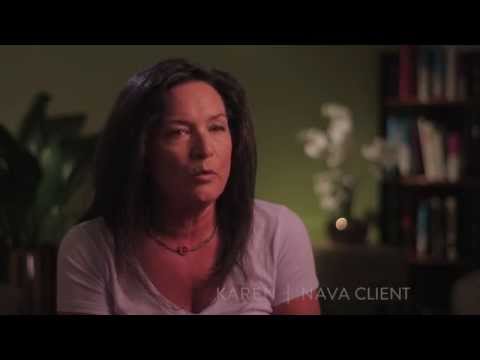
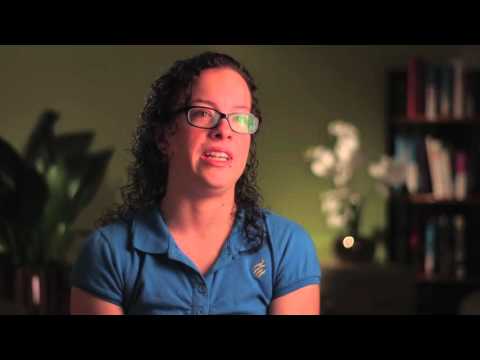
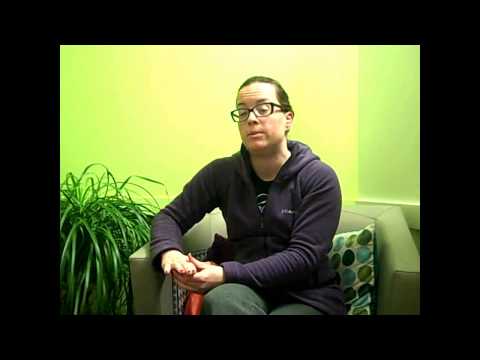
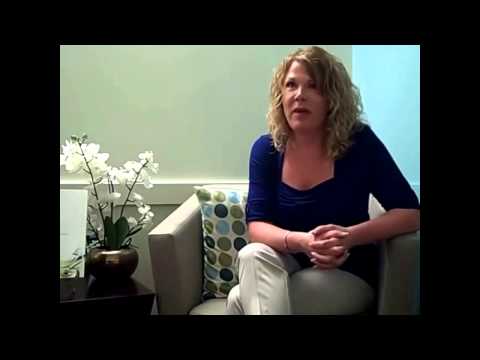
Testimonials

Request more information